Source Watch Case Parts for OEM Manufacturing and Repair
Find 30 watch case components suitable for wrist watch assembly and metal processing machinery parts. Compare specifications including diameter, finish, and material options to identify the right suppliers for your production needs; compare the available evidence and request quotations based on your requirements.
Key considerations
Products List




Comprehensive Sourcing Guide
Watch Case Sourcing Guide
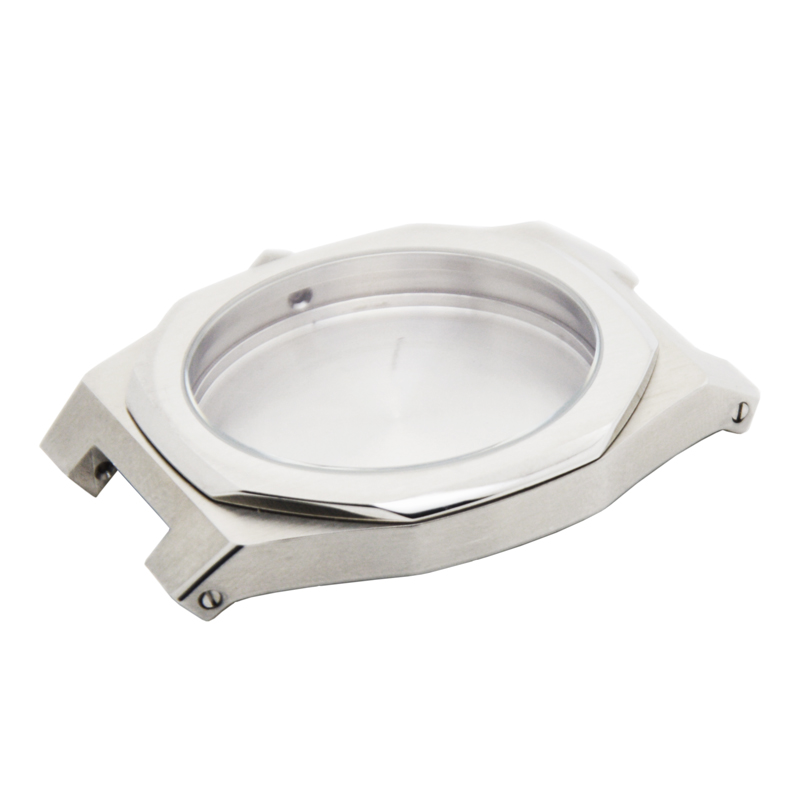
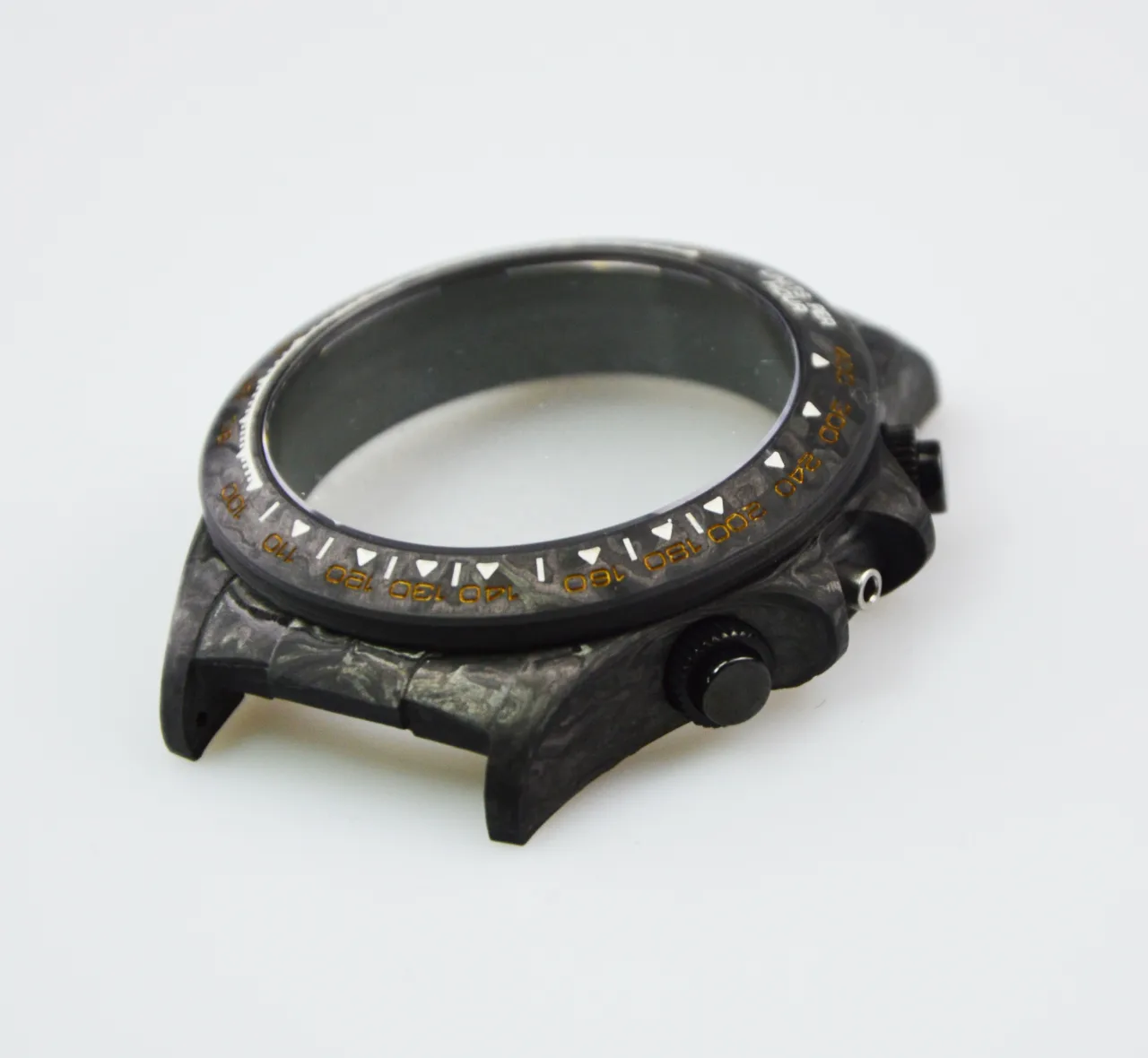
Buyers evaluating watch case components must first distinguish between general metal processing parts and specialized timepiece assemblies. The market offers items explicitly labeled as watch case parts, cnc watch cases, and custom oem watch case metal components, indicating a focus on precision machining for horology. These listings often highlight applications in wrist watches and metal processing machinery, suggesting that suppliers possess dual capabilities in both industrial manufacturing and consumer accessory production. Understanding this distinction is critical for aligning procurement with specific assembly needs rather than generic industrial hardware.
Procurement strategies should account for the diverse customization options available, ranging from standard dimensions to fully bespoke designs. Suppliers frequently list attributes such as "Customized" and "Could Be Designed," alongside specific model numbers like sfs-con and SFSCON001, which denote tailored production runs. Buyers should verify whether the observed customization extends to the forming method, such as powder injection molding, or if it relies on traditional cnc machining. This verification ensures the selected supplier can meet the unique geometric and functional requirements of the intended watch design without compromising structural integrity.
Product Scope and Observed Listing Signals
The observed product range spans from general metal straightening machinery parts to specific wrist watch applications, creating a broad scope for potential sourcing partners. Listings explicitly mention applications in metal spinning and casting machinery, yet the primary focus for watch case procurement remains on components designed for analog display methods and fashion styles. Buyers must navigate this spectrum to identify vendors who specialize in the finer tolerances required for watch cases, such as the 0.01mm tolerance noted for steel alloy machining parts, rather than those focused solely on heavy industrial machinery.
Visual and stylistic attributes provide further signals regarding product suitability for consumer markets. The data indicates a prevalence of fashion and casual styles, with finishes including PVD brushed, polished, and plated surfaces. Specific model observations, such as the 44mm and 38mm diameter options, suggest a standardization around common watch sizes, though "Customized" size specifications are also available. Procurement teams should prioritize suppliers who demonstrate proficiency in these aesthetic finishes and size variations, as these elements directly impact the final market appeal of the assembled timepiece.
Technical Specifications to Verify
Precision is paramount when sourcing watch case components, particularly regarding dimensional accuracy and material properties. Buyers must verify that the supplier can consistently achieve the 0.01mm tolerance observed in steel alloy machining parts, as deviations can lead to assembly failures or poor fitment with watch movements. The standard dimensions of 44mm and 38mm serve as reference points, but the availability of customized sizes requires rigorous validation of the supplier's cnc capabilities and measurement protocols to ensure every unit meets the design blueprint.
Material selection and surface finishing processes are equally critical for long-term durability and aesthetic consistency. The supply chain offers options involving metal materials with finishes like polishing, coating, and plating, alongside specific mineral mirrors for the watch face. Buyers should confirm the compatibility of the chosen metal alloy with the intended finish, such as PVD brushing, to prevent issues like peeling or discoloration over time. Additionally, verifying the hardness rating, which may range from soft to hardened states depending on the specific application, ensures the case can withstand daily wear and tear.
Compliance and Safety Documentation
Regulatory compliance is a non-negotiable aspect of sourcing watch cases, with certifications like RoHS and ISO9001 appearing frequently in product listings. These documents verify that the manufacturing processes adhere to international standards for hazardous substance restriction and quality management systems. Buyers must request current certification copies to ensure that the specific batch of watch cases being procured meets the environmental and safety requirements of their target markets, particularly in regions with strict regulations on metal alloys and surface treatments.
Beyond general certifications, specific product standards such as BS, ANSI, JIS, GB, GOST, ASTM, and DIN provide a framework for technical verification. The presence of these standards in supplier data suggests a capability to align with various regional requirements, but buyers must confirm which specific standard applies to their order. For instance, the ISO9001 standard is explicitly mentioned alongside product specifications, indicating a commitment to quality control processes. Ensuring that the documentation matches the specific product model, such as SFS-5082G, prevents compliance gaps that could arise from using generic certificates for specialized components.
Cost Drivers and Commercial Terms
Pricing for watch case components is influenced by the complexity of customization and the volume of the order, with observed price ranges spanning from 0.1 to 65.5 USD. The minimum order quantity (MOQ) typically ranges from 20 to 1000 units, creating a variable cost structure that depends heavily on the buyer's production scale. Buyers should analyze the cost per unit relative to the MOQ, as higher customization levels often necessitate larger order volumes to amortize the setup costs associated with cnc machining and specialized finishing processes.
Commercial terms extend beyond unit pricing to include packaging and logistics arrangements, which significantly impact the total landed cost. Listings indicate options for Europe Standard Packing, carton and plastic bag combinations, and export packages, all of which must be evaluated for their protective capabilities during transit. Furthermore, shipping methods such as air freight or ocean freight are available per request, requiring buyers to balance speed against cost. Understanding these logistical variables is essential for accurate budgeting and ensuring that the final delivered product arrives in pristine condition without unexpected surcharges.
Supplier Qualification and Quality Control
Supplier qualification requires a thorough assessment of their origin and production capabilities, with notable hubs in Qingdao and Shenzhen, China. These locations are known for their robust manufacturing ecosystems, but buyers must verify the specific facility's capacity to handle the required precision and volume. The presence of "Customized" attributes and specific model numbers suggests a flexible production line, yet the buyer must confirm that the supplier maintains consistent quality control measures across different batches to avoid variability in the final watch case components.
Quality control protocols should be validated through on-site audits or detailed third-party inspection reports, focusing on critical attributes like hardness and finish consistency. The data mentions specific finishes like PVD brushed and polished, which require strict process control to ensure uniformity. Buyers should also verify the supplier's ability to handle the "Could Be Designed" aspect of customization, ensuring they have the engineering resources to translate design concepts into manufacturable parts without compromising the structural integrity or aesthetic quality of the watch case.
Long-Term Procurement Checks
Sustaining a successful supply chain for watch cases involves regular re-evaluation of supplier performance against established benchmarks. Buyers should monitor the consistency of certifications like RoHS and ISO9001 over time, ensuring that the supplier maintains compliance as regulations evolve. Regular audits of the production process, particularly for the forming methods like powder injection molding or cnc machining, help identify potential drifts in quality that could affect the final product's reliability and market acceptance.
Strategic planning for long-term procurement also includes assessing the supplier's adaptability to changing market demands and design trends. The ability to offer customized sizes and styles, such as the transition from casual to fashion styles, indicates a supplier's capacity to innovate. Buyers should establish clear communication channels for feedback and continuous improvement, ensuring that the supplier remains responsive to new design requirements and can scale production efficiently as the brand's portfolio expands or shifts in style direction.
FAQs
What certifications do the watch case parts have?
The watch case parts hold ISOGS, RoHS, and CE certifications. These standards ensure compliance with international safety and quality requirements for metal processing machinery parts and wrist watch applications.
Can I request custom dimensions for the watch case?
Yes, customization is available for the watch case parts. Buyers can specify unique sizes like 44mm or 38mm, and the manufacturer offers tailored solutions for various metal processing machinery applications.
Which standards apply to the steel alloy machining parts?
The parts comply with BS, ANSI, JIS, GB, GOST, ASTM, and DIN standards. These specifications ensure high precision with a tolerance of 0.01mm for accurate watch case manufacturing and metal processing.
How are the watch cases packaged for export?
Packaging includes Europe Standard Packing, cartons, plastic bags, and export packages. Options also cover air freight or ocean freight arrangements per request to ensure safe delivery of the metal watch parts.
What is the origin of the watch case products?
Products originate from Qingdao and Shenzhen, China. These locations serve as the primary manufacturing hubs for the metal watch case parts and other machinery components listed in the product specifications.
What finishing processes are used on the watch cases?
Finishing processes include PVD brushed or polished surfaces, polishing, coating, and plating. These methods enhance the aesthetic appeal and durability of the metal watch case parts for fashion and casual styles.